-
By:
- dane
- No comment
manual steel
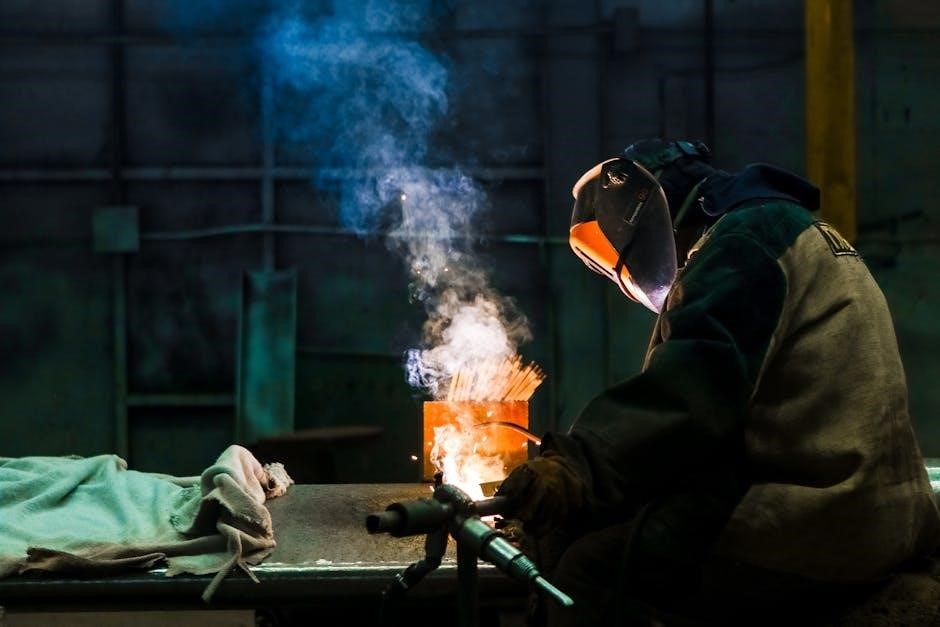
Steel, a vital alloy of iron and carbon, underpins modern infrastructure and manufacturing due to its remarkable strength, durability, and adaptable properties.
What is Manual Steel?
Manual steel fundamentally represents a versatile alloy primarily composed of iron, with carbon serving as the key alloying element. However, it’s rarely used in its pure form; instead, various other elements are intentionally added to modify and enhance its characteristics. This customization allows metallurgists to tailor hardness, toughness, and crucially, corrosion resistance to precisely match specific application requirements.
Its widespread adoption stems from a unique combination of attributes – inherent strength, relative inexpensiveness, and abundant availability. This makes it a cornerstone material in building the modern industrial landscape. From towering skyscrapers to everyday food packaging, steel’s adaptability is unparalleled, solidifying its position as an essential material across diverse sectors.
Historical Overview of Steel Production
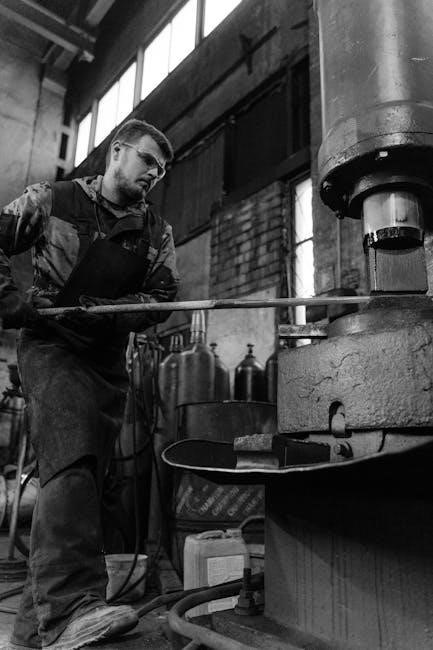
The story of steel production is a long and evolving one, stretching back centuries. Early methods involved laborious manual processes, yielding small quantities of relatively impure steel. The discovery of crucible steel in the 18th century marked a significant advancement, enabling the creation of higher-quality material.
However, the true revolution arrived with the advent of the Bessemer process in the mid-19th century, dramatically increasing production speed and reducing costs. This was followed by the Basic Oxygen Steelmaking (BOS) and Electric Arc Furnace (EAF) methods, further refining the process and allowing for greater control over steel composition. These innovations fueled the industrial revolution and continue to shape steel manufacturing today.
Composition and Properties of Steel
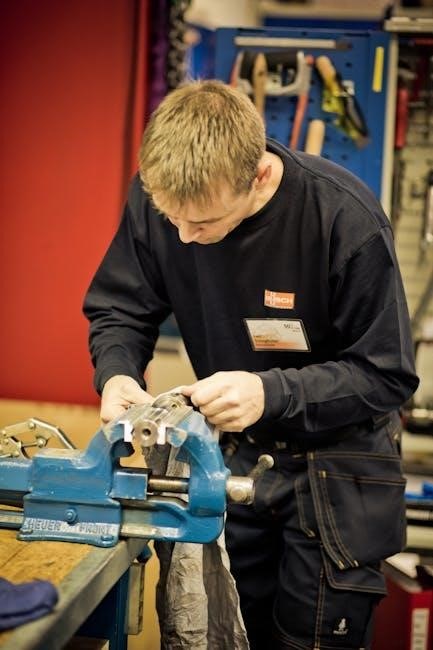
Steel’s core composition—iron and carbon—is customized with alloying elements to achieve specific hardness, toughness, and corrosion resistance for diverse applications.
The Role of Carbon in Steel
Carbon is the primary alloying element in steel, profoundly influencing its mechanical properties. Even small carbon content increases strength and hardness, but simultaneously reduces ductility and weldability. Low-carbon steels, containing up to 0.3% carbon, offer excellent formability and are widely used in applications requiring these traits.
Conversely, higher carbon content – exceeding 0.6% – results in increased hardness and strength, making them suitable for tools and high-wear components. However, these high-carbon steels become more brittle and difficult to weld. The precise carbon percentage is carefully controlled during manufacturing to tailor the steel’s characteristics to its intended purpose, balancing strength, ductility, and other critical properties.
Influence of Alloying Elements
Alloying elements significantly modify steel’s properties beyond what carbon alone can achieve. Chromium enhances corrosion resistance, forming the basis of stainless steels. Nickel improves toughness and ductility, even at low temperatures, and stabilizes the austenitic structure. Molybdenum increases strength, hardness, and creep resistance at elevated temperatures, vital for high-performance applications.
Other elements like manganese, silicon, and vanadium contribute to specific properties like hardenability and grain refinement. Metallurgists carefully select and combine these elements to customize steel for diverse applications, optimizing its performance characteristics. These additions allow for a vast range of steel types, each tailored to meet specific engineering demands.
Key Mechanical Properties: Strength, Ductility, Hardness
Strength, a steel’s resistance to deformation, is crucial for load-bearing applications like construction and vehicle components. Ductility, its ability to deform plastically before fracturing, prevents brittle failure and allows for forming processes. Hardness, resistance to indentation, determines wear resistance, essential for tools and machinery.
These properties are interconnected and can be tailored through composition and heat treatment. Higher carbon content generally increases strength and hardness but reduces ductility. Alloying elements further refine these characteristics. Understanding and controlling these mechanical properties is fundamental to selecting the appropriate steel grade for a given application, ensuring optimal performance and longevity.
Corrosion Resistance and its Enhancement
Steel, while strong, is susceptible to corrosion – degradation from environmental factors like moisture and oxygen. This weakens structures and compromises functionality. However, corrosion resistance can be significantly enhanced through various methods.
Adding alloying elements, particularly chromium, is key to creating stainless steels, forming a protective oxide layer. Coatings, such as galvanization (zinc coating) or paint, provide a barrier against corrosive elements. Cathodic protection utilizes electrochemical principles to prevent oxidation. Proper material selection, considering the operating environment, and implementing preventative measures are crucial for extending steel’s lifespan and ensuring structural integrity.
Types of Manual Steel
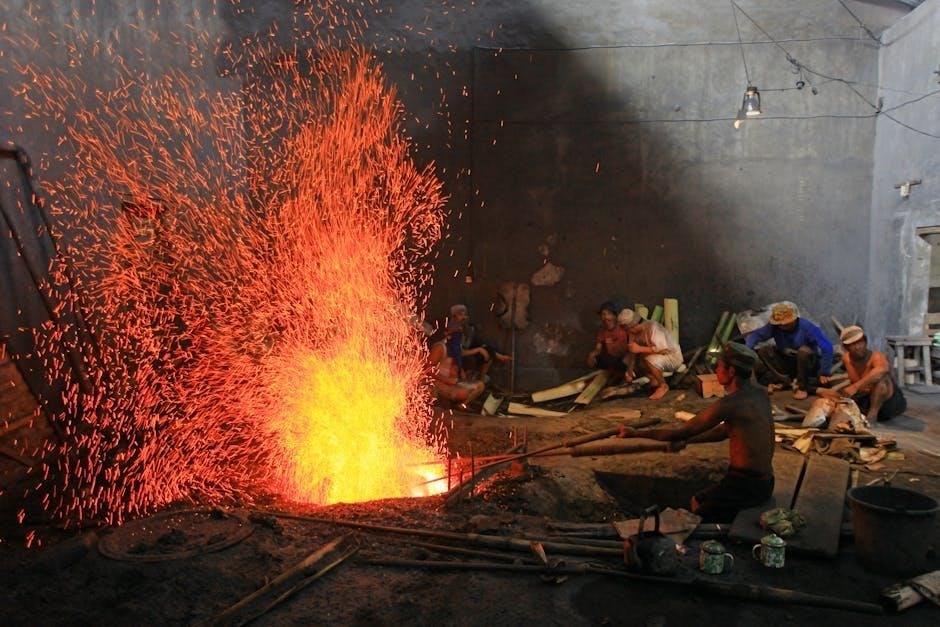
Steel classification includes carbon, alloy (chromium, nickel, molybdenum), stainless (austenitic, ferritic, martensitic), and tool steels, each tailored for specific applications.
Carbon Steels: Low, Medium, and High Carbon
Carbon steels, foundational in many industries, are categorized by their carbon content, directly influencing their mechanical properties. Low carbon steel, with up to 0.3% carbon, offers excellent weldability and ductility, making it ideal for automotive body panels and construction.
Medium carbon steel (0.3-0.6% carbon) balances strength and ductility, commonly used in machinery parts and railway tracks. Increasing carbon content to 0.6-1.0% results in high carbon steel, prized for its hardness and wear resistance, suitable for springs, high-strength wires, and cutting tools.
However, higher carbon levels reduce weldability. These variations allow engineers to select the optimal carbon steel for diverse applications, balancing cost, strength, and formability.
Alloy Steels: Chromium, Nickel, Molybdenum
Alloy steels enhance steel’s base properties through the addition of alloying elements. Chromium improves hardness, wear resistance, and corrosion resistance, vital for tools and high-stress components. Nickel boosts toughness, ductility, and corrosion resistance, frequently used in structural applications and stainless steel production.
Molybdenum increases strength, hardenability, and creep resistance at high temperatures, making it essential for high-performance machinery and pressure vessels. Combinations of these elements, and others, allow metallurgists to tailor steel for specific needs.
These additions refine the microstructure, resulting in superior performance compared to plain carbon steels, expanding the range of possible applications.
Stainless Steels: Austenitic, Ferritic, Martensitic
Stainless steels are renowned for their exceptional corrosion resistance, achieved through significant chromium content – typically at least 10.5%. Austenitic stainless steels, like 304, offer excellent formability and weldability, ideal for food processing and architectural applications.
Ferritic stainless steels provide good ductility and resistance to stress corrosion cracking, often used in automotive exhaust systems. Martensitic stainless steels are heat-treatable, achieving high strength and hardness, making them suitable for cutlery and surgical instruments.
Each type balances properties to suit diverse environments and demands, showcasing the versatility of steel alloys.
Tool Steels: High-Speed, Shock-Resisting
Tool steels represent a specialized category of steel, engineered for exceptional hardness, wear resistance, and the ability to maintain cutting edges at elevated temperatures. High-speed steels (HSS) retain their hardness even when red-hot, crucial for machining operations like drilling and milling.
Shock-resisting tool steels, conversely, prioritize toughness to withstand impact loads, making them ideal for chisels, punches, and dies. These steels often incorporate alloying elements like tungsten, molybdenum, and vanadium to enhance their performance.
Their carefully controlled properties ensure longevity and reliability in demanding manufacturing applications.
Manufacturing Processes of Manual Steel
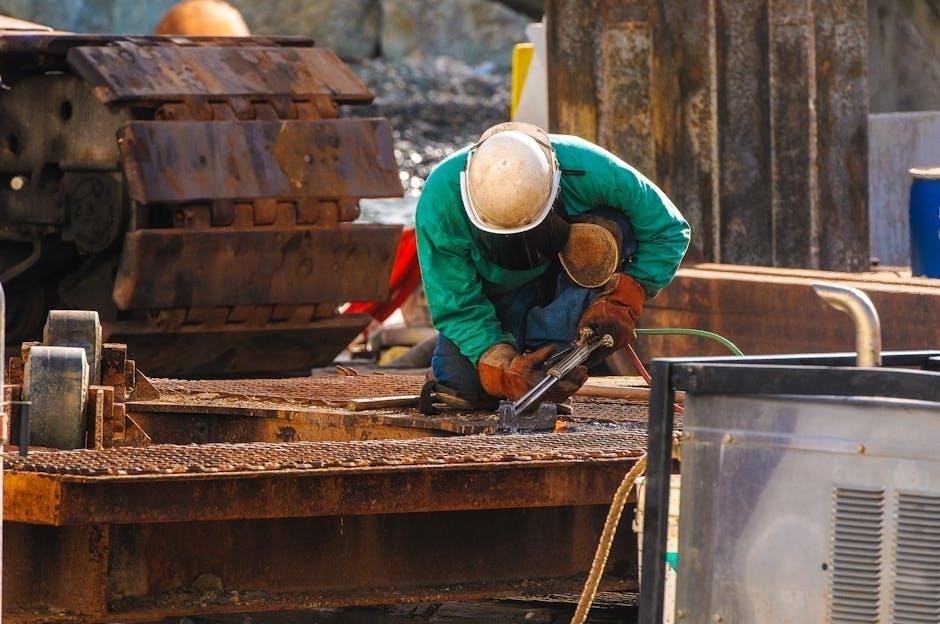
Steel production involves extracting iron ore, refining it via processes like Basic Oxygen Steelmaking or Electric Arc Furnaces, and shaping it through continuous casting and rolling.
Iron Ore Extraction and Preparation
Steel manufacturing commences with the extraction of iron ore from the earth, typically through open-pit or underground mining operations. The mined ore isn’t directly usable; it requires substantial preparation. This initial stage involves crushing and grinding the raw ore into smaller, manageable pieces. Following this, various beneficiation techniques are employed to increase the iron content.
These techniques include magnetic separation, which removes unwanted materials based on magnetic properties, and flotation, which utilizes chemical reactions to separate valuable minerals from waste. The goal is to concentrate the iron-bearing minerals, such as hematite and magnetite, creating a higher-grade feed for the subsequent steelmaking processes. Finally, the prepared ore is often agglomerated into pellets or sinter to improve its handling characteristics and permeability in the furnace.
Basic Oxygen Steelmaking (BOS)
Basic Oxygen Steelmaking (BOS) is a dominant process for primary steel production, renowned for its efficiency and speed. Molten iron from the blast furnace, along with scrap steel, is charged into a large, pear-shaped vessel called a converter. A water-cooled lance is then lowered into the vessel, and high-purity oxygen is blown onto the surface of the molten metal.
This oxygen reacts with impurities like carbon, silicon, manganese, and phosphorus, oxidizing them and forming slag. Fluxes, such as lime and dolomite, are added to the converter to facilitate slag formation and remove these impurities. The process is incredibly rapid, typically completing a heat in under 20 minutes, yielding large volumes of liquid steel efficiently.
Electric Arc Furnace (EAF) Steelmaking
Electric Arc Furnace (EAF) steelmaking is a versatile process primarily utilizing scrap steel as its feedstock, offering a more sustainable route to steel production. The EAF employs powerful electric arcs generated between graphite electrodes and the scrap metal charge to melt the steel. This method allows for precise control over the steel’s composition and temperature.
Fluxes, like lime and dolomite, are added to form slag, removing impurities. EAFs are particularly well-suited for producing specialty steels and alloys, and can also process direct reduced iron (DRI). The process is flexible, enabling the creation of various steel grades with lower capital investment compared to BOS.
Continuous Casting and Rolling
Continuous casting is a highly efficient process transforming molten steel into semi-finished products like slabs, billets, and blooms. Molten steel is poured into a water-cooled mold, solidifying as it moves continuously. This eliminates the need for individual ingot casting, significantly improving yield and quality.
Following casting, rolling further refines the steel’s shape and properties. Hot rolling, performed above the recrystallization temperature, reduces thickness and improves ductility. Cold rolling, done below this temperature, enhances strength and surface finish. These processes create the various steel product forms—plates, sheets, bars, and structural shapes—ready for diverse applications.
Applications of Manual Steel
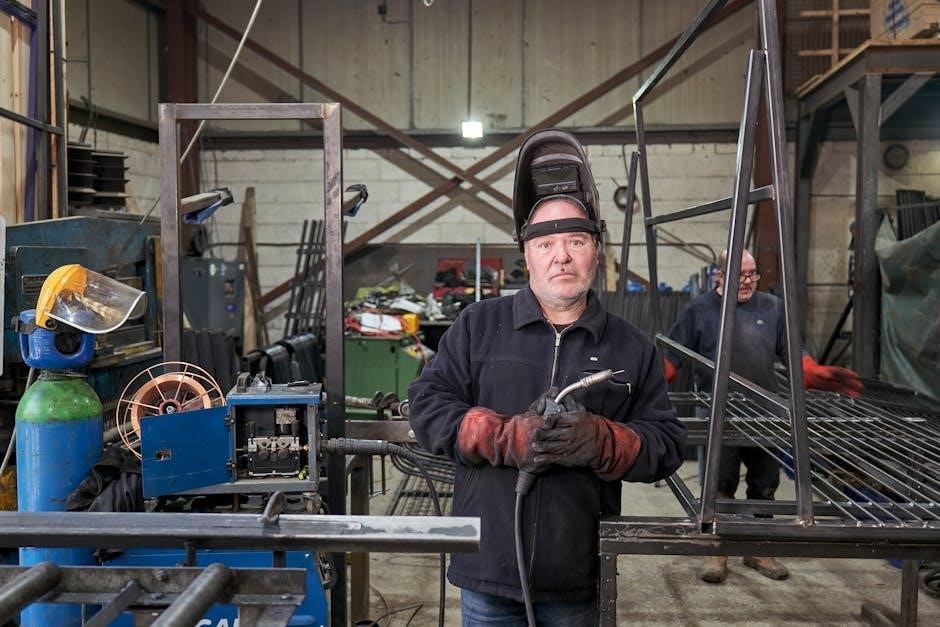
Steel’s versatility shines in construction, automotive manufacturing, and packaging, offering strength and preservation qualities essential for modern industrial applications and daily life.
Steel in Construction and Infrastructure
Steel is arguably the most crucial material in modern construction and infrastructure development. Its inherent strength, coupled with its cost-effectiveness and availability, makes it an ideal choice for a vast array of projects. From towering skyscrapers and expansive bridges to robust tunnels and essential pipelines, steel forms the backbone of our built environment.
The ability to fabricate steel into diverse shapes and sizes allows for innovative architectural designs and efficient structural solutions. High-strength steel grades enable longer spans and reduced material usage, contributing to sustainable construction practices. Furthermore, steel’s ductility allows it to withstand significant stress and deformation, enhancing the resilience of structures against natural disasters like earthquakes and hurricanes. Its longevity and recyclability further solidify its position as a cornerstone of sustainable infrastructure.
Steel in Automotive Industry
Steel remains a dominant material in automotive manufacturing, despite the rise of alternatives, due to its exceptional strength-to-weight ratio and cost-effectiveness. Critical components like vehicle chassis, body panels, and suspension systems heavily rely on various steel grades for structural integrity and passenger safety. High-strength steels are particularly vital, enabling manufacturers to reduce vehicle weight without compromising crashworthiness.
Furthermore, steel’s formability allows for complex designs and efficient production processes. Advanced High-Strength Steels (AHSS) are increasingly employed to meet stringent safety regulations and fuel efficiency standards. Components like axles benefit from steel’s hardness and wear resistance, ensuring durability and longevity. The automotive industry continually innovates with steel, exploring new alloys and manufacturing techniques to enhance performance and sustainability.
Steel in Manufacturing and Machinery
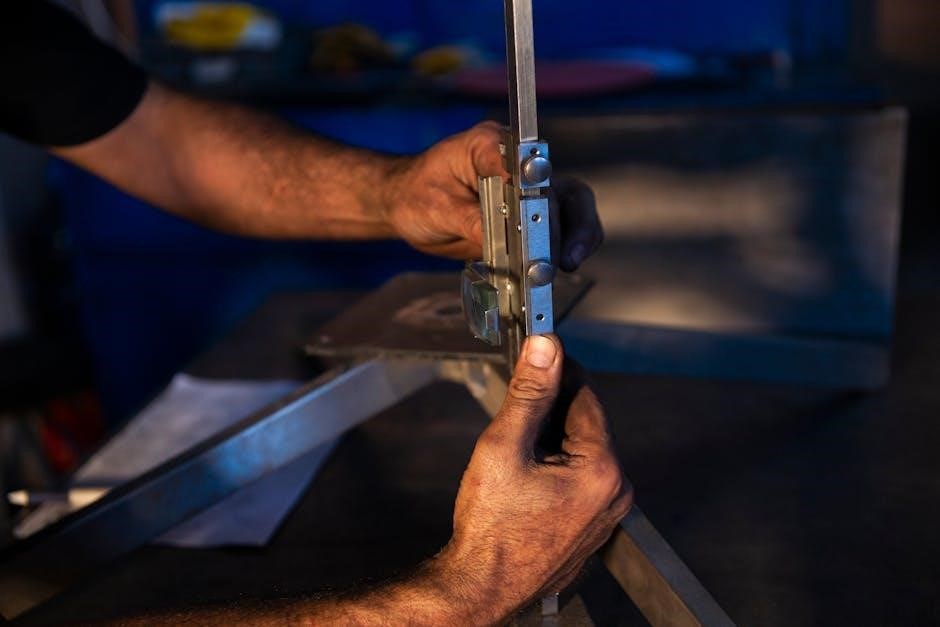
Steel is indispensable in the manufacturing sector, forming the backbone of countless machines and industrial equipment. Its high tensile strength and durability make it ideal for constructing robust frameworks, gears, shafts, and other critical components subjected to heavy loads and continuous operation. The ability to tailor steel’s properties through alloying allows engineers to optimize performance for specific applications.
From heavy-duty machinery in mining and construction to precision instruments in electronics, steel provides the necessary reliability and longevity. Tool steels, renowned for their hardness and wear resistance, are essential for cutting, forming, and shaping materials. The versatility of steel ensures its continued dominance in manufacturing, driving innovation and efficiency across diverse industries.
Steel in Food and Beverage Packaging
Steel plays a crucial role in food and beverage packaging, primarily in the form of cans, due to its exceptional strength and ability to preserve contents effectively. Unlike many materials, steel is completely recyclable, contributing to sustainable packaging solutions. Its impermeable nature prevents light, oxygen, and other contaminants from spoiling food and beverages, extending shelf life and maintaining product quality.
The robust nature of steel cans also protects against physical damage during transportation and storage. Modern packaging steel often incorporates coatings to prevent corrosion and interaction with the packaged product, ensuring safety and flavor preservation. This combination of protective qualities and recyclability makes steel a preferred choice for countless food and beverage producers.

Steel Standards and Specifications
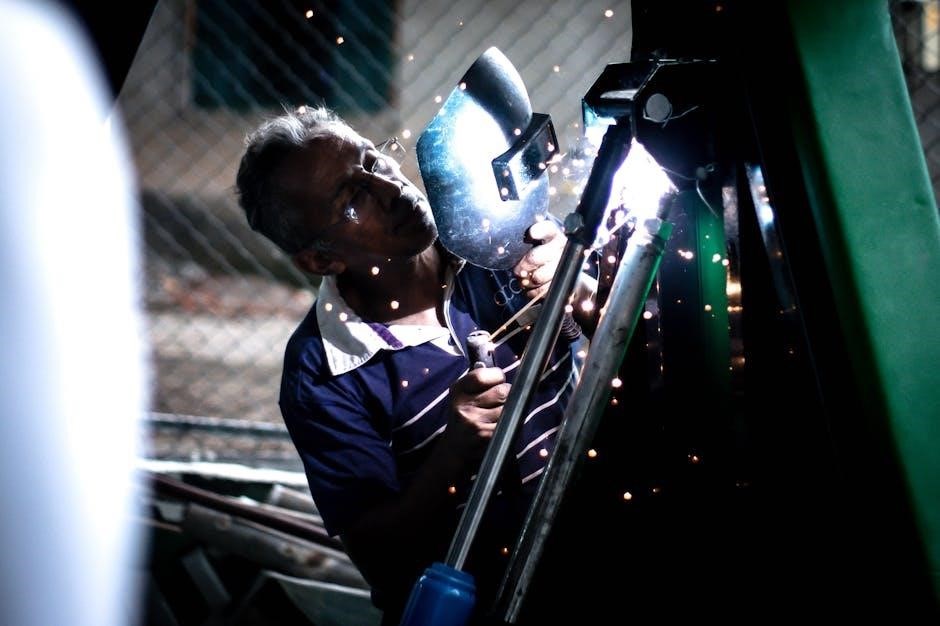
Steel standards, like those from ASTM and AISI/SAE, define grades, dimensional tolerances, and weight calculations, ensuring quality and consistency in steel products.
ASTM Standards for Steel
ASTM International develops and publishes a comprehensive suite of steel standards crucial for ensuring material quality, performance, and safety across diverse applications. These standards cover a wide spectrum, from chemical composition and mechanical properties to testing methods and product specifications.
Key ASTM standards for steel include those related to structural steel (A36, A572), high-strength low-alloy steel (A514), and pressure vessel steel (A516). Each standard meticulously defines requirements for specific steel grades, guaranteeing consistent characteristics. Adherence to ASTM standards is often mandated by regulatory bodies and industry best practices, providing confidence in the reliability and suitability of steel materials for critical engineering projects. They facilitate interoperability and promote safe and efficient construction and manufacturing processes.
AISI/SAE Steel Grades
The AISI/SAE (American Iron and Steel Institute/Society of Automotive Engineers) grading system provides a standardized nomenclature for classifying steel compositions and properties. This system, historically significant, utilizes a four-digit numbering scheme, where the first digit indicates the major steel type – plain carbon, low alloy, high alloy, or tool steel.
Subsequent digits denote specific carbon content and alloying elements. While largely superseded by more modern standards, the AISI/SAE system remains a valuable reference point for understanding steel characteristics. For example, 1018 steel signifies a plain carbon steel with approximately 0.18% carbon. Understanding these grades is crucial for selecting appropriate materials based on desired strength, ductility, and other critical performance attributes in various engineering applications.
Dimensional Tolerances and Weight Calculations
Precise steel fabrication necessitates careful consideration of dimensional tolerances, accounting for variations during manufacturing processes like rolling and casting. These tolerances, specified in industry standards, define acceptable deviations from nominal dimensions, impacting fit and functionality in assembled components. Accurate weight calculations are equally vital, influencing transportation costs and structural design considerations.
Steel density, approximately 7;85 g/cm³, forms the basis for these calculations, but variations due to alloy composition must be factored in. Detailed product manuals, like those published by the Iron and Steel Society, provide comprehensive data on tolerances and weight per unit length or area for various steel shapes, ensuring efficient and reliable engineering applications.

Future Trends in Manual Steel
Steel’s evolution focuses on sustainable production, advanced high-strength alloys (AHSS), and digitalization within manufacturing—driving efficiency and reducing environmental impact.
Sustainable Steel Production
The steel industry is actively pursuing greener methodologies, recognizing the environmental impact of traditional steelmaking. A key focus is reducing carbon emissions throughout the entire production lifecycle. This involves exploring alternative iron ore reduction technologies, like hydrogen-based direct reduction, which significantly lowers reliance on fossil fuels.
Increased utilization of recycled steel scrap is another crucial element, minimizing the need for virgin iron ore extraction and processing. Furthermore, advancements in carbon capture, utilization, and storage (CCUS) technologies offer potential pathways to mitigate emissions from existing steel plants. The drive towards a circular economy, emphasizing resource efficiency and waste reduction, is fundamentally reshaping steel production practices for a more sustainable future.
Advanced High-Strength Steels (AHSS)
Advanced High-Strength Steels (AHSS) represent a significant evolution in steel metallurgy, offering substantially improved mechanical properties compared to conventional steels. These steels achieve higher strengths while maintaining, or even enhancing, ductility and formability. This is accomplished through complex chemical compositions and sophisticated processing techniques, including controlled cooling and phase transformations.
AHSS grades, such as Dual-Phase (DP), Transformation-Induced Plasticity (TRIP), and Martensitic steels, are increasingly utilized in automotive applications to reduce vehicle weight and improve crashworthiness. Their enhanced strength-to-weight ratio also benefits construction and manufacturing, enabling lighter structures and more efficient designs. Continued research focuses on developing even more advanced AHSS variants with tailored properties for specific applications.
The Role of Digitalization in Steel Manufacturing
Digitalization is revolutionizing steel manufacturing, driving efficiency, quality control, and innovation across the entire value chain. Implementing technologies like Artificial Intelligence (AI), Machine Learning (ML), and the Internet of Things (IoT) allows for real-time monitoring and optimization of processes, from iron ore extraction to final product inspection.
Predictive maintenance, enabled by data analytics, minimizes downtime and reduces costs. Digital twins – virtual representations of physical assets – facilitate process simulation and optimization. Furthermore, advanced sensors and data collection systems enhance quality control, ensuring adherence to stringent steel standards. This digital transformation is crucial for sustainable steel production and maintaining competitiveness in a global market.